
How To Hit Top-Corner Penalties
A practical penalty routine for players who want to attack the top corner without turning every kick into a crossbar challenge.
Top-corner penalties look unstoppable because they attack the hardest save zone, but the margin is tiny. The difference between a clean finish and a miss over the bar is usually not bravery. It is how calmly the player controls the body through contact.
That is why the best penalty routines are quiet and narrow. Pick one corner, build one repeatable approach, and only raise the ball as high as your technique can still support under pressure.
In this guide
Quick plan
Penalty routine
- + Choose the corner before the whistle or before the walk-back ends.
- + Use the same run-up rhythm so the body does not rush the final step.
- + Attack an upper side-net window, not the crossbar itself.
- + Earn the highest top-corner attempts after side-net accuracy is stable.
Practice block
10-penalty progression
- + 4 penalties into the side-net channel at comfortable height.
- + 3 penalties into the upper third of the same side.
- + 2 penalties aimed at the true top-corner window.
- + 1 final match ball with only a clean upper-window finish counting.
Common misses
Typical penalty breakdowns
- + Changing corner choice halfway through the run-up.
- + Trying to score in the exact angle of the bar instead of the wider upper window.
- + Leaning back because the player wants extra lift.
- + Practising only calm penalties and never testing the routine under consequence.
Commit to the corner early
The quickest way to ruin a penalty is to keep the decision open until the last second. A top-corner penalty needs a cleaner strike shape than a safer side-net penalty, so the mind has to be settled before the body starts the final steps.
That commitment does not mean rushing. It means the player can let the approach feel calm because the decision is already made.
Lift the ball with control, not panic
A top-corner penalty still needs a compact strike. The ball should be guided into the upper window with a firm ankle and controlled body line, not hacked upward in a moment of tension.
Most players should first master the upper side-net area rather than the absolute highest inch of the goal. That is still very hard for the keeper, and it gives you usable margin under the bar.
- + Keep the run-up rhythm consistent.
- + Aim for the upper side-net channel rather than the underside of the bar.
- + Do not chase more height until the previous height is repeatable.
Train the ladder, not only the headline kick
Penalty practice should work in levels: side-net drives first, upper-third finishes next, then true top-corner attempts. That ladder protects technique and makes the final progression honest.
If the player cannot keep four out of five balls inside the same upper-third window, they are not ready to live on the top-corner edge yet.
Finish with pressure balls
The final penalty or two in a set should carry consequence. Restart the set after two misses, or give yourself only one ball to hit the chosen top window. Pressure changes the run-up and exposes whether the routine is really stable.
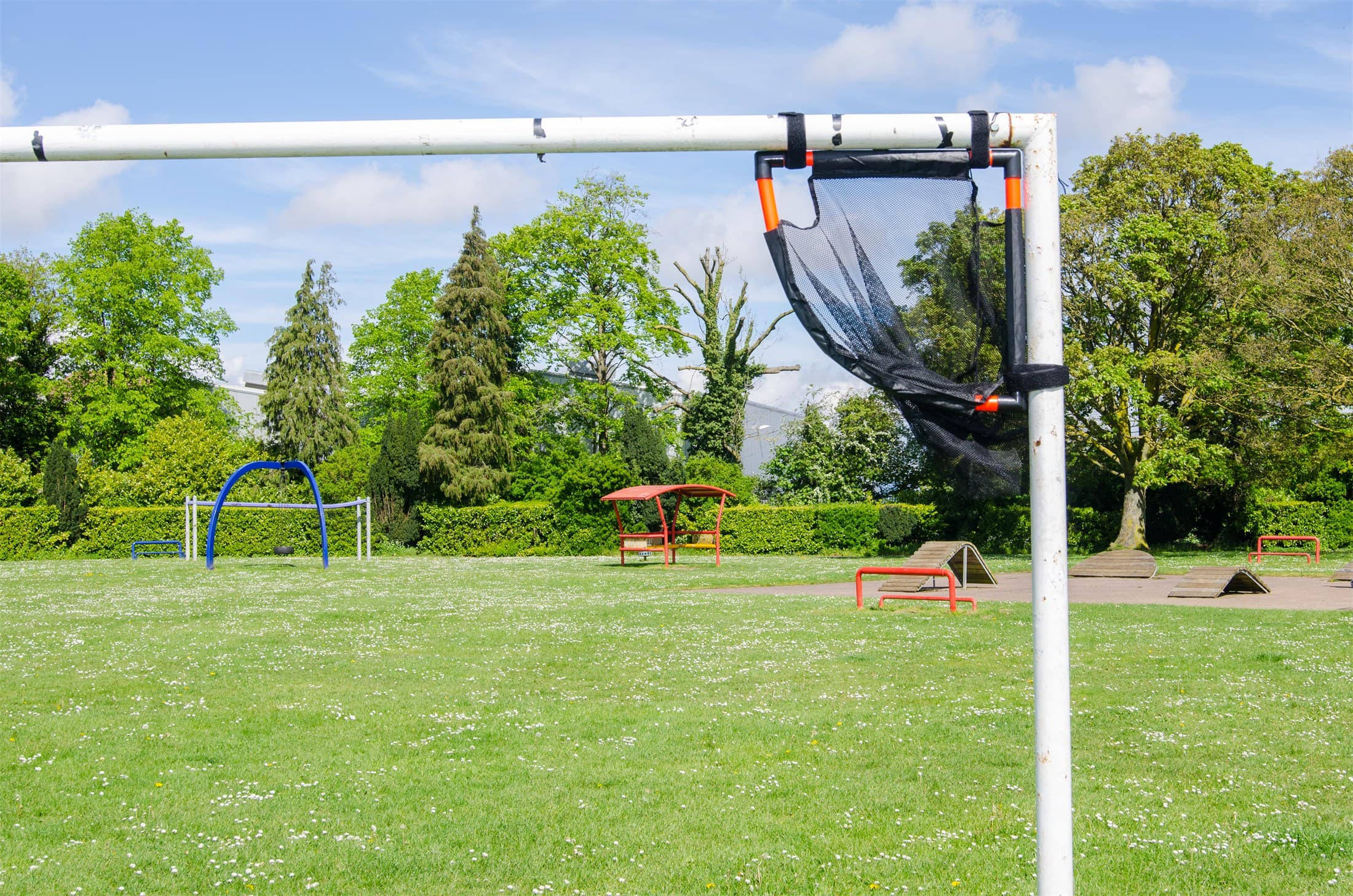
This is also where a visible target helps. It keeps the aim specific, which is crucial when the heart rate rises and the player is tempted to hit and hope.
Visual Guides And References
Continue learning
Keep the sequence coherent by moving from this topic into the next technical block.