
Best Solo Football Training Drills
Solo football training drills for players who want better shooting, first touch, and finishing rhythm without a full team session.
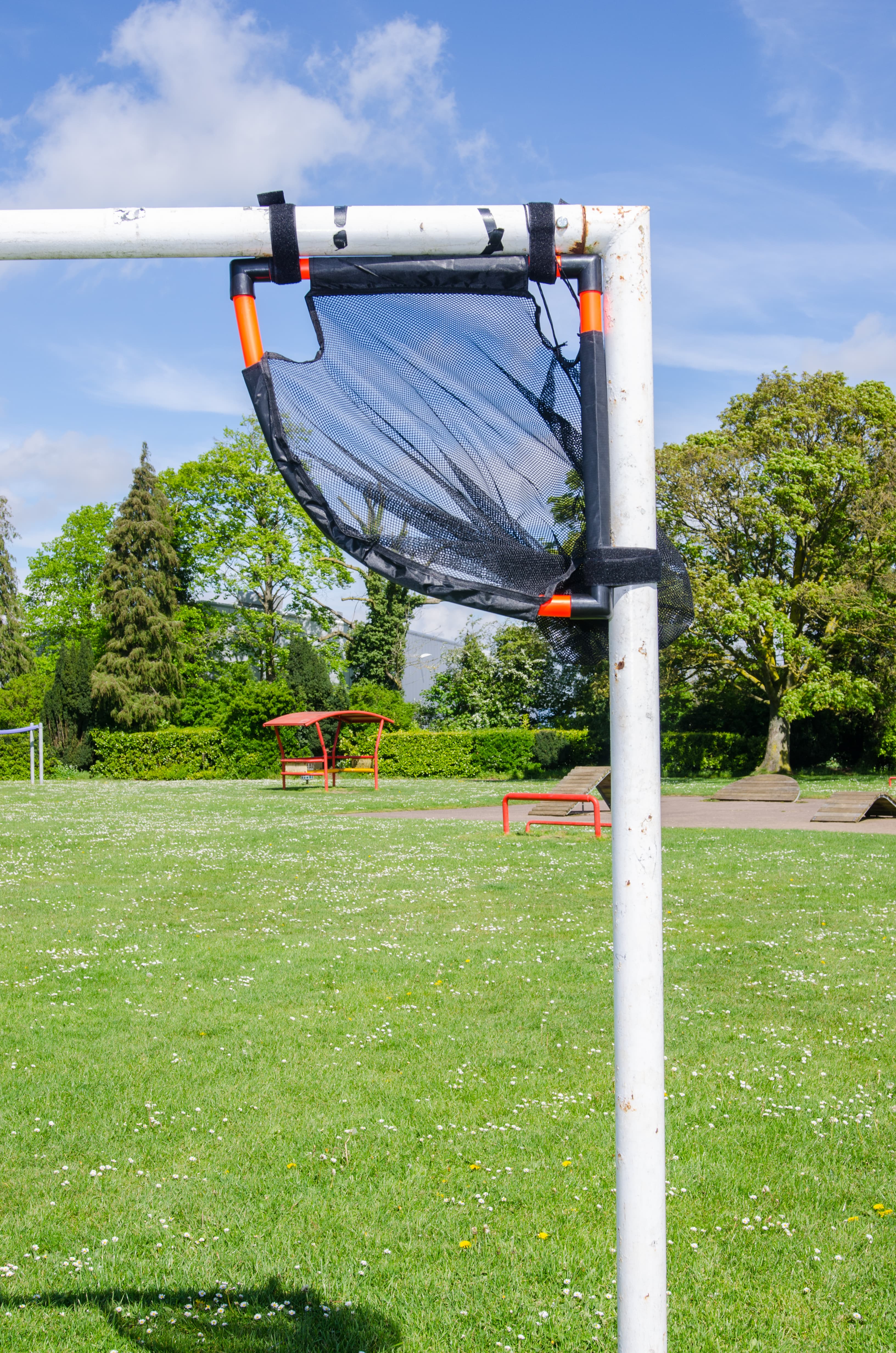
Solo football sessions work best when they have structure. Without that structure, players drift into endless touches and rushed shots that feel busy but teach very little.
The strongest solo sessions mix technical control with clear targets. You want enough repetition to improve, but enough variation to stay mentally switched on.
Internal link
Ready to turn these finishing ideas into a visible training setup? See the TopCorner corner target or browse the FAQ and the guide collection before you buy.
Build the session around three blocks
A simple solo session can be split into first touch, finishing, and competitive challenge. That creates rhythm and stops the player from spending the entire session on one skill.
For example, start with receiving and turning, move into targeted shooting, and finish with a points challenge that forces concentration under fatigue.
Use walls, rebounds, or self-service wisely
A good rebound or wall session teaches foot preparation and balance before the shot. The key is not the equipment itself, but the speed at which you organize the next action.
If your solo practice only starts from a dead ball, you miss a huge part of real finishing technique.
Target work keeps solo shooting honest
When there is no coach or goalkeeper, the target has to provide the feedback. A top-corner target makes it obvious whether your technique is producing the finish you want.
That is why solo players benefit so much from visible scoring zones. They replace vague intention with clear outcomes.
- + Alternate shot types every five reps
- + Track clean hits on the target zone
- + Reset quickly to keep intensity up
Add movement before every finish
Even alone, you can rehearse match-like movement. Check away, spin around a cone, dribble through a gate, or take a touch out of your feet before striking.
Movement turns isolated technique into usable technique. The finish becomes attached to a football action instead of staying abstract.
Finish with a challenge, not random extras
The end of the session should test focus. Set a target score, a fixed number of top-corner hits, or a time-limited circuit and demand quality when the legs are tired.
That final challenge tells you whether the earlier technical work held up once pressure returned.